Your roof does more than keep rain out. It also protects the space beneath it from trapped moisture, excess heat, and ventilation problems. During the colder months in Middle Tennessee, homeowners sometimes notice damp attic insulation, moisture on the roof decking, or what looks like a roof leak when it hasn't rained in days.
Those warning signs deserve attention, but they don't always mean your shingles are failing.
Understanding how attic ventilation and condensation work helps Nashville homeowners catch problems early, avoid repairs they don't need, and protect their homes through winter.
Why attic moisture shows up in winter
Warm indoor air carries moisture from everyday living: cooking, showers, laundry, even breathing. When that air escapes into a cold attic through gaps around ceiling fixtures, the attic hatch, ductwork, or plumbing penetrations, the moisture condenses on the first cold surface it touches.
Roof decking and the exposed tips of roofing nails are the usual suspects on a chilly night.
If the moisture keeps building, you may notice:
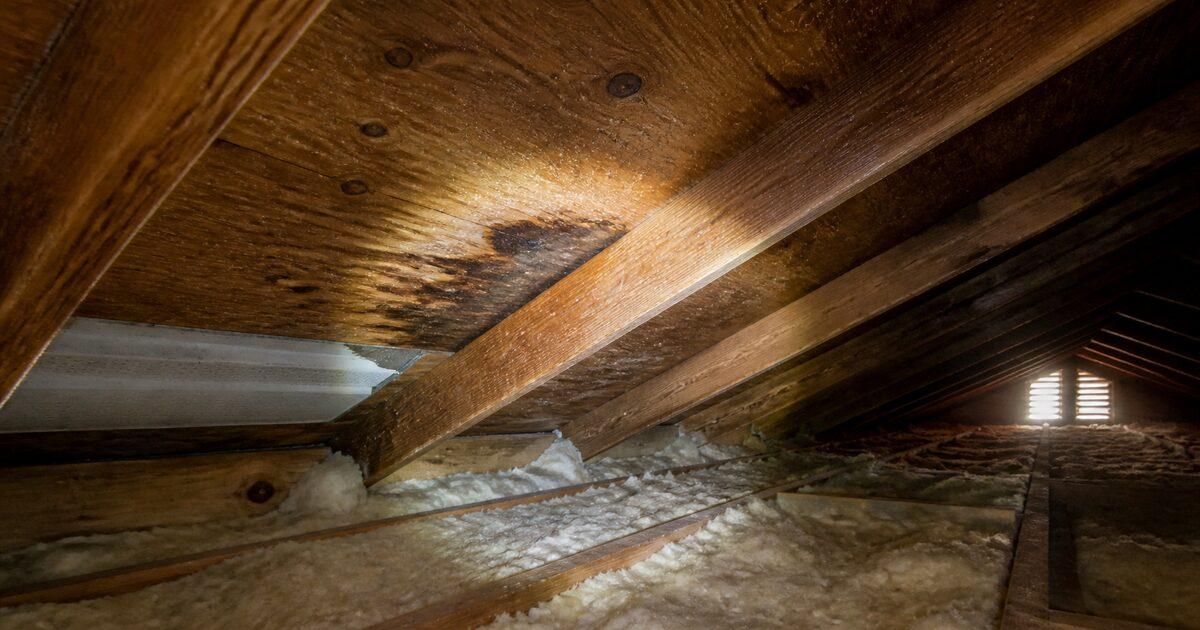
- Water droplets or frost on the underside of the roof decking
- Dark staining or discoloration on the wood
- Damp, compressed, or deteriorating insulation
- A musty smell in the attic
- Water stains on the ceilings below
All of that can look exactly like a roof leak. But replacing shingles won't fix a problem caused by indoor air leaking into the attic. The first job is figuring out where the moisture is actually coming from.
How roof ventilation is supposed to work
Most vented attics rely on a balance of intake and exhaust.
Intake vents, usually at the soffits or eaves, let outside air in low. Exhaust vents, usually at or near the ridge, let air out high. Together they keep outside air moving through the attic, carrying moisture out and reducing heat buildup in summer.
Ventilation alone isn't the whole answer, though. Air sealing between the living space and the attic, proper insulation, and reasonable indoor humidity all matter just as much.
And more ventilation isn't automatically better. An unbalanced system, or vents installed in the wrong places, can create new problems, especially when there's already a lot of warm air leaking up from the house.
Five attic warning signs you shouldn't ignore
1. Damp or discolored roof decking. Darkened wood, water marks, or visible moisture on the underside of the roof can point to condensation, a roof leak, or an older moisture problem that was never addressed.
2. Rusted roofing nails. Exposed nail tips get cold enough for moisture to condense on them. Rust, or droplets that keep coming back, mean attic humidity is too high.
3. Blocked soffit vents. Insulation often gets pushed into the eaves, choking off intake airflow. Ventilation baffles keep that air path open.
4. Bathroom fans venting into the attic. Exhaust fans need to discharge outdoors. Dumping humid air straight into the attic is one of the most common causes of winter condensation we see.
5. Musty odors or visible growth. Persistent smells or suspicious growth on the wood are a moisture problem until proven otherwise. Looks alone can't confirm whether something is mold, so a qualified professional may need to assess it.
Roof leak or condensation? How to tell the difference
This is the most important distinction a homeowner can make, because it changes the fix entirely.
A roof leak usually shows up near one spot: a pipe boot, a flashing detail, a chimney, a valley, or a patch of damaged shingles. The moisture appears after rain or a wind-driven storm.
Condensation is more widespread, and it shows up during cold snaps. You'll see it on nail tips, across broad sections of decking, or on other cold surfaces even when there's been no rain at all.
Neither pattern is a guaranteed diagnosis, though. Water travels along rafters and decking before it becomes visible, so the stain isn't always where the problem is. A proper inspection looks at the roofing materials, the flashing, the attic, the ventilation, the insulation, and the air leaks from the house before anyone recommends a repair.
What Nashville homeowners can do about it
A few practical steps go a long way toward preventing winter attic moisture.
Check your attic a couple of times a year. If you can get in safely from a finished, stable surface, look for new staining, wet insulation, or blocked vents. Never step between the ceiling joists or onto unsupported drywall.
Make sure exhaust fans go outside. Bathroom and kitchen exhaust should terminate outdoors, installed per the manufacturer's instructions and local requirements.
Seal the air leaks. Gaps around the attic access panel, plumbing penetrations, recessed lights, and duct connections let warm, moist air into the attic. Some of those penetrations need fire-rated sealing, so this is often a job for a pro.
Keep indoor humidity reasonable. Very high humidity during cold weather raises the risk of condensation. The right level depends on the outdoor temperature and how your home is built.
Get the roof and ventilation evaluated. A professional can spot visible roofing defects and ventilation problems and tell you whether more insulation, air sealing, or a specialist is the right next step.
Why Middle Tennessee weather makes this worse
Nashville gets humid stretches, heavy seasonal rain, warm afternoons, and freezing nights, sometimes all in the same week. Those swings make moisture problems show up faster, especially in older homes with little air sealing or attics that have been modified over the years.
Homes in Nashville, Brentwood, Franklin, and Murfreesboro vary a lot in age, roof design, insulation, and past renovations. That's why a one-size-fits-all ventilation recommendation doesn't work. The right fix depends on your specific roof and attic.
Catch it early and protect your roof
A damp attic doesn't automatically mean you need a new roof. Often the real issue is ventilation, insulation, air leakage, or a small localized roofing defect. The key is finding the actual cause before spending money on the wrong repair.
At Roost Roofing, we believe homeowners deserve clear information about their roof's condition and honest recommendations based on what the inspection actually shows.
If you've noticed signs of trouble, schedule a free roof inspection with Roost Roofing. Call 615-657-ROOF (7663) or request an estimate at roostroofs.com. We protect your roost.
Protect Your Roost — Schedule Your Free Roof Inspection
Not sure what your roof needs? We'll inspect it for free, show you photos of what we find, and give you a straight answer in writing.