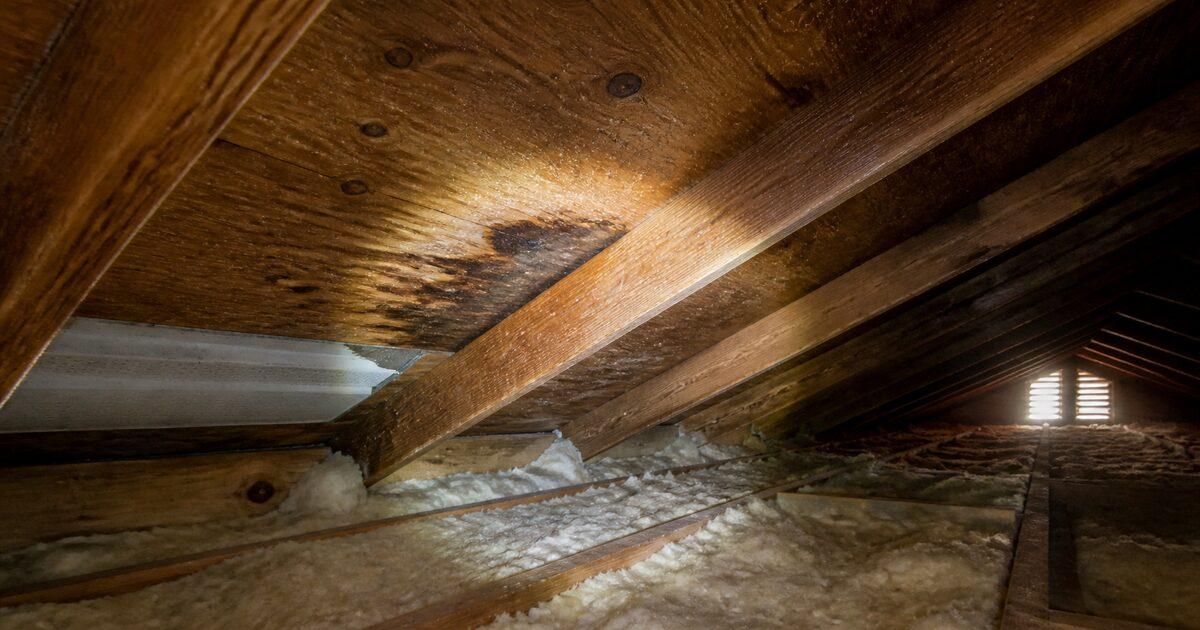

Middle Tennessee doesn't get one storm season. We get spring supercells, summer downbursts, and then a second round of strong fronts from late fall into winter, when a line of thunderstorms can roll through Nashville, Franklin and Murfreesboro at 2 a.m. with straight-line wind and the occasional burst of hail. The next morning everything looks fine from the driveway, and that's the problem. Storm damage to a roof is usually quiet until it isn't.
Here's how to tell whether last night's storm actually did anything to your roof, how to document it, and how to decide whether it's a repair you pay for or a claim you file.
First, stay on the ground
You don't need to climb a ladder to find most storm damage, and after a storm is the worst time to try. Shingles are slick, gutters are full, and a lifted tab can give way under your foot. Walk the property instead.
Start at the edges of the yard and work toward the house, since wind carries debris downwind. Then look at the roof from each corner of the lot in daylight. Binoculars or a phone camera zoomed in will show you more than you'd expect.
What wind damage looks like
Wind doesn't usually tear a whole roof apart. It works at the weak points: the edges, the ridge, and any tab whose sealant strip had already let go. From the ground, look for:
- Whole shingles or pieces of shingles in the yard, the gutters or the neighbor's lawn
- Tabs that are lifted, curled up at the corner, or flapping when the wind picks up
- A horizontal crease across a shingle where it folded back and lay down again
- Missing ridge cap pieces along the peak
- Exposed black underlayment or bare wood where a shingle used to be
- Bent or loose drip edge and flashing at the eaves and along walls
A creased shingle is the one people miss. It may look like it's back in place, but the mat is broken, the seal is gone, and it will lift again in the next front. On a roof that's more than ten years old, the shingles around it are usually brittle enough that the damage spreads.
What hail damage looks like
Hail is harder to see from the ground because the marks are small. What you can see are the soft things it hit on the way down. Check the gutters, downspouts, mailbox, grill cover, window screens, AC unit fins and painted deck rails for dents and dings. If those took hits, the roof did too.
On the roof itself, hail leaves random dark spots where the granules were knocked loose, sometimes with a soft bruise underneath that you can feel but not see. You'll often find granules piled at the bottom of the downspouts afterward. Hail also cracks the plastic on box vents and dents the metal on ridge vents and pipe boot collars, which is where the actual leaks start.
The important thing about hail is that the damage doesn't leak right away. The granules are the shingle's sun protection. Once they're gone, the asphalt bakes, cracks, and starts letting water through months later, long after you've connected it to the storm.
Document before anyone touches the roof
If there's any chance you'll file a claim, the photos you take in the first day or two matter more than anything else. Take wide shots of each side of the house showing the whole roof, closer shots of anything that looks wrong, and pictures of the debris on the ground. Photograph the dented gutters and screens too. Note the date and time of the storm.
Then be careful about who you let on the roof. After a big wind event in Davidson or Williamson County, out-of-town crews will be knocking on doors within days. Nobody should be making repairs or pulling shingles until the damage is documented and you've decided what you're doing. A professional storm damage inspection should include photos of what was found, a written description, and a clear recommendation.
Claim or pay out of pocket?
This is the question most homeowners actually want answered, and the short answer is: it depends on how big the damage is compared to your deductible.
A few lifted tabs, a missing ridge cap and a bent piece of drip edge is a roof repair, not a claim. If the repair costs less than your deductible, filing a claim gets you nothing and still goes on your claim history. Pay for it, keep the receipt and the photos, and move on.
Widespread hail bruising across several slopes, wind damage on more than one side, or a roof that was already near the end of its life and just lost its last argument with a storm is what insurance exists for. In that case you want the damage documented before you call, so the adjuster is looking at the same evidence you are.
If you're not sure which side of the line you're on, get the inspection first. It tells you whether you're looking at an afternoon of repairs or a conversation with your carrier.
A roofer can document the damage, but your insurance company decides what your policy covers.
A roof that's ready before the next front comes through
Storm season in Middle Tennessee doesn't really end, it just changes shape. The best outcome after a storm is a short list: a few shingles replaced, a boot or vent swapped, the flashing resealed, and the whole thing done before the next line of weather shows up on the radar. The worst outcome is finding out in February that a creased shingle from November has been letting water into the decking the whole time.
If you've noticed signs of trouble, schedule a free roof inspection with Roost Roofing. Call 615-657-ROOF (7663) or request an estimate at roostroofs.com. We protect your roost.
Protect Your Roost — Schedule Your Free Roof Inspection
Not sure what your roof needs? We'll inspect it for free, show you photos of what we find, and give you a straight answer in writing.