Winter in Nashville doesn't look like winter in Chicago. We get a few hard freezes, a lot of cold rain, the occasional ice storm, and plenty of days that swing from below freezing at dawn to the 50s by afternoon. That back-and-forth is exactly what wears a roof out. Water gets into a small gap, freezes, expands, and pushes the gap a little wider. Do that a few dozen times between now and March and a nuisance becomes a leak.
The good news: most winter roof problems announce themselves in the fall, and most are small repairs if you catch them now. Here's what to check before the cold settles in across Middle Tennessee.
Start with the gutters
Gutters are the first thing to fail in winter and the easiest to fix. By mid-November, the oaks and maples in Franklin, Brentwood and the older Nashville neighborhoods have dropped most of their leaves, and a lot of them are sitting in your gutters right now.
When gutters are clogged, water has nowhere to go. It backs up under the first course of shingles, soaks the fascia board, and spills over the edge onto your foundation. When temperatures drop, that standing water freezes, adds weight, and can pull gutters loose from the house.
What to look for from the ground:
- Gutters that sag or pull away from the fascia
- Water pouring over the edge during a rain instead of going down the downspouts
- Plants or small sticks growing out of the gutter
- Downspouts that dump right at the foundation instead of a few feet away
- Branches hanging over the roofline — they feed the gutters all winter and get heavy in an ice storm
A fall gutter cleaning is cheap insurance, and Roost's $99 gutter cleaning includes a free roof inspection while we're up there.
Check the shingles you can see
Walk around the house on a clear day and look up. You're not looking for perfection; you're looking for anything that doesn't match the rest of the roof.
- Shingles that are lifted, curled, or missing — wind from fall storms often loosens tabs the summer sun had sealed down
- Dark patches where granules have worn off
- A pile of granules at the bottom of a downspout
- Shingles that look wavy or dipped, which can mean the decking underneath has softened
Lifted shingles matter more in winter because the asphalt sealant that bonds each shingle to the one below it only sets up well in warm weather. A tab that lifts in November may not reseal on its own until spring, which leaves it open to wind and water all winter.
Look at the flashing and pipe boots
The places where a roof meets something else — a chimney, a wall, a plumbing vent — are where most leaks start, and winter is hard on them. Metal flashing expands and contracts with every temperature swing. Over the years the sealant at the edges cracks, and the step flashing along a wall can work loose.
Rubber pipe boots around plumbing vents are the most common culprit on roofs that are more than about ten years old. The Tennessee sun bakes them until they crack, and a cracked boot lets water run straight down the pipe into your attic. From the ground, look for a boot that looks grey and chalky, or one with a visible split at the base. Both are small, quick fixes through our roof repair service.
Go up in the attic
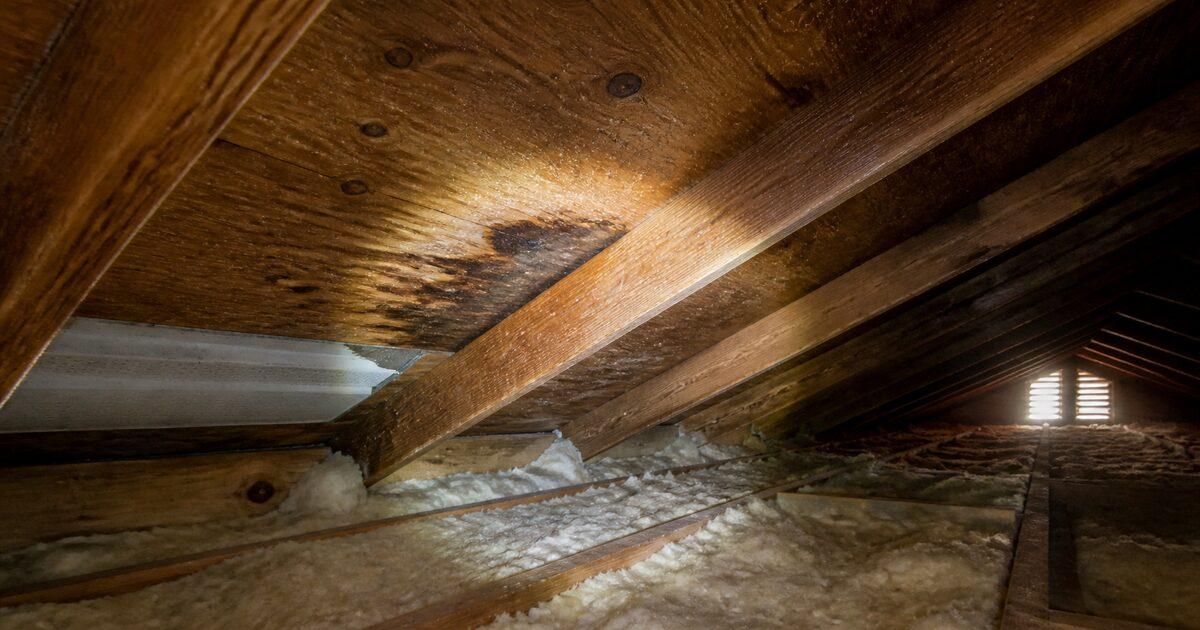
The attic tells you things the roof hides. Pick a cold morning, bring a flashlight, and look at the underside of the roof decking.
- Dark stains or damp spots on the wood, especially around vents and the chimney
- Frost or water droplets on the nail tips
- Insulation that's matted down or discolored
- Daylight showing through anywhere
Some of what you find may not be a leak at all. In Middle Tennessee, warm indoor air rising into a poorly ventilated attic on a cold night can condense on the decking and look exactly like roof damage. We wrote about attic condensation separately; the short version is that the fix is ventilation and air sealing, not new shingles. Either way, it's worth having someone sort out which one you've got.
Why November is the right time
Shingle sealant, flashing cement, and most roofing adhesives work best when it's mild out. Repairs done now bond properly and are ready before the first real cold snap. Repairs done in January are still possible, but they're slower, and you've usually already paid for the damage the leak caused inside.
The other reason is simple scheduling. After a big storm or an ice event, every roofer in Davidson and Williamson County is booked. A small repair in November means you're not waiting in that line with a tarp on the roof.
A dry house through March
A winter-ready roof isn't a new roof. For most homes in Nashville, Franklin, Brentwood and Murfreesboro, it's clean gutters, a couple of resealed flashings, maybe a pipe boot, and a quick look at the attic — an afternoon of work that keeps the house dry until spring.
If you've noticed signs of trouble, schedule a free roof inspection with Roost Roofing. Call 615-657-ROOF (7663) or request an estimate at roostroofs.com. We protect your roost.
Protect Your Roost — Schedule Your Free Roof Inspection
Not sure what your roof needs? We'll inspect it for free, show you photos of what we find, and give you a straight answer in writing.